Denver Recap: What Clinicians Asked Most
Publish Date: November 9, 2026
We just wrapped our final Clinical Workshop of 2026 in Denver, and I’m still taking it all in.
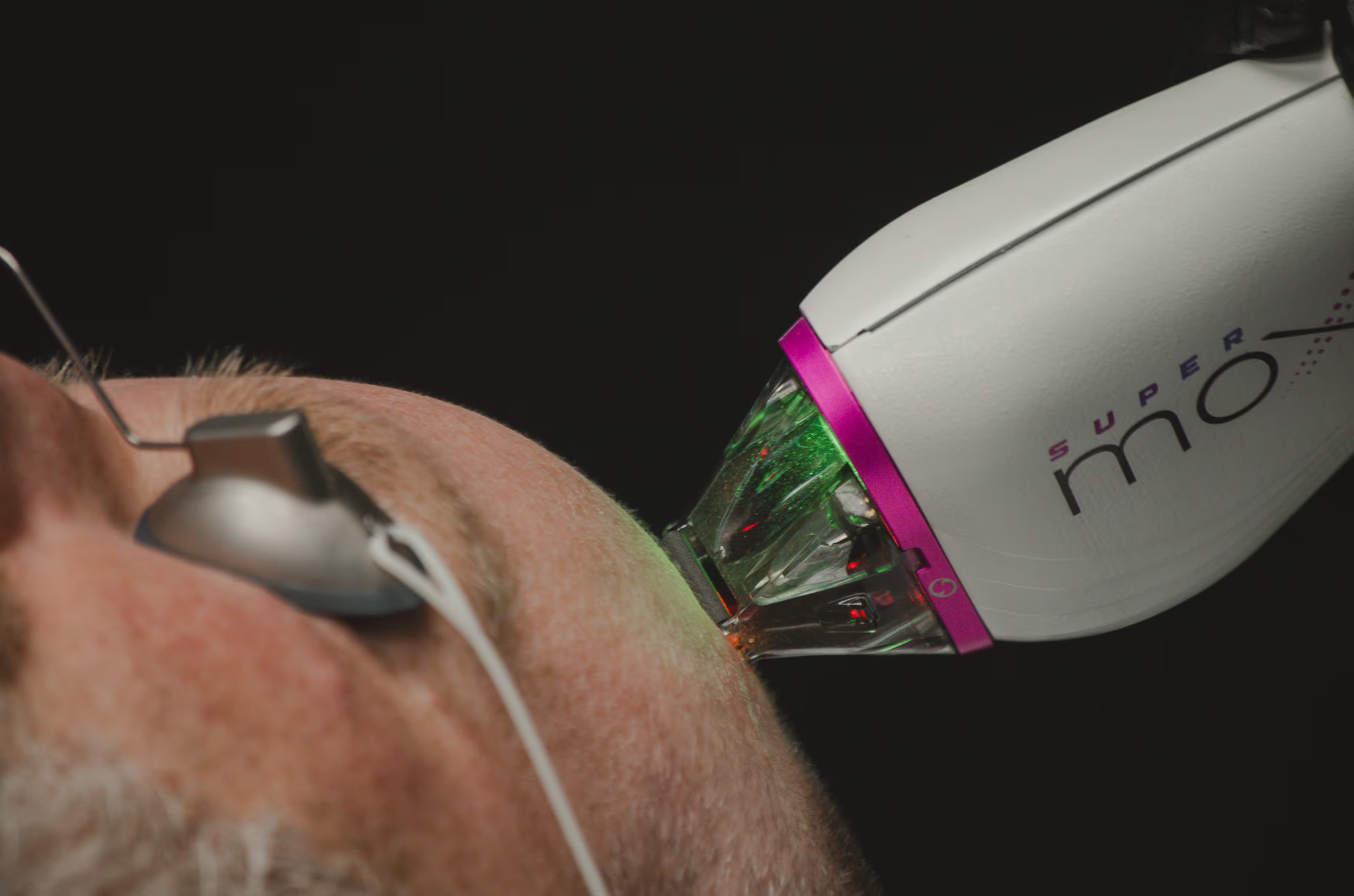
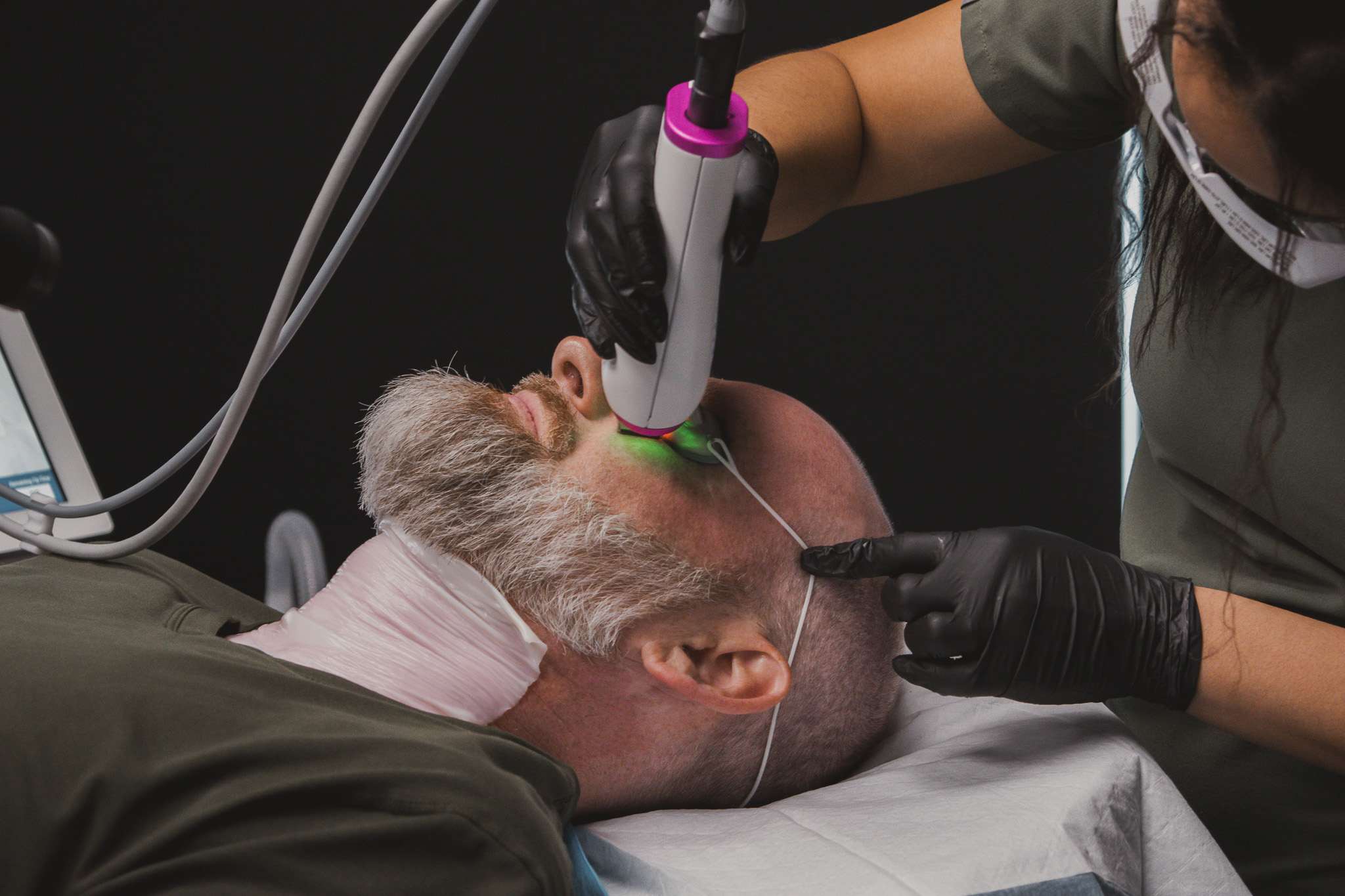
This year, we taught twenty clinical workshops in cities across the U.S. and Canada. Different rooms, different states, different practices. Some clinicians were brand new to lasers. Some had owned devices for years.
And almost everywhere we went, the most asked questions came back to the same three things:
- Why is it so hard to get really good at lasers?
- How do I prepare my patient, both their skin and their expectations, for resurfacing?
- How do I know I picked the right laser, and how do I prove it worked?
Here are my answers. Not the quick-start version. The version we teach in the room.
1. Why is it so hard to get excellent at lasers?
If you still feel nervous every time you pick up the handpiece, you are not behind. You’re normal, and it’s not your fault. That feeling is clinical experience and clinical judgment being developed.
Most clinicians are taught how to turn the device on. Very few are taught why it works, when to push, or when to stop.
Think about how most of us learned. A device shows up. Someone walks you through the screens and the presets, treats a model or two, and leaves. Then you’re on your own with a very powerful piece of equipment and a patient who trusts you.
So we copy protocols. We build confidence on reps, not reasoning. That works until a patient doesn’t respond the way the protocol said they would, and you don’t know why.
Lasers don’t care how long you’ve been doing this. Energy always does something to tissue, whether you understand it or not.
The fix isn’t more presets or protocols. It’s understanding: wavelengths, laser delivery types, units of measurement and pulse width. When you understand the concepts, you stop following a recipe. You can read how the skin is responding and adjust with intention.
We say it all day in our workshops: protocols are just sheets of paper. They’re guidelines, not requirements. Your patient’s skin response tells you what to do next.
And mastery isn’t about being perfect. It’s about being relentless: continuing to learn when it gets uncomfortable, asking the question you think you should already know, and getting in a room with clinicians wrestling with the same things.
That’s why we still teach in person. Confidence gets built in real time. Nuance doesn’t download.
2. How do I prep a patient for resurfacing?
This question always has two parts: how do I prepare the skin, and how do I prepare the person? The second is where most unhappy patients start.
A quick note: I am not your medical director. What you pause and when should come from your medical director and your clinical SOPs. What follows is how to think about it.
Prepare the skin. Laser sits at the top of the pyramid, not the bottom. In our priority pyramid, the skin barrier is the base. If the skin is inflamed, irritated or over-exfoliated, that comes first. Corrective work, where laser lives, comes after. A healthy barrier heals better, recovers more predictably and gives you a better result from the same energy.
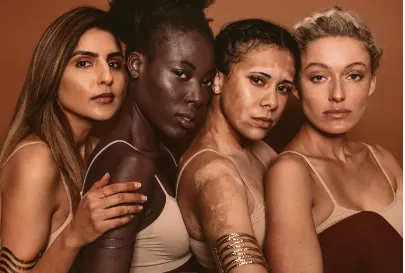
Know your patient’s risk. When you skin type a patient for laser, you’re really trying to predict how their skin will react. You can’t do that from a chart alone. We teach a process called SAFE, the Siemens Skin Assessment for Fluence Energy. It looks at ancestry, the skin’s response to heat and light, how the skin presents today, background pigment, and how the patient has responded to treatment before. And it applies to the specific area you’re treating.
Watch for red flags. Recent sun exposure. Active inflammation. A history of PIH without prep. And one that isn’t about skin at all: unrealistic downtime expectations.
Prepare the person. Patients and clinicians use “downtime” to mean different things, so separate two words:
- Downtime is time away from normal life.
- Recovery is when the skin needs special care, but life goes on.
Spell out instructions you think are obvious. “No exfoliation” might mean no scrub to a patient who keeps using their retinol.
And set expectations on timing. Collagen takes about three to four months to really start developing. Tell patients up front: “What you’ll see in the first couple of weeks is your skin healing. The result we’re working toward builds over the next few months, and we’ll check in with you again then.”
3. How do I choose the right laser and prove it worked?
Start with the problem, not the device. Every laser decision answers one question: how deep do I need to go, and how much injury does that tissue need?
Not which device is newest, or which one the patient saw on social media. Superficial concerns like surface pigment, early texture and dullness don’t require going deep. Deeper texture, static lines and collagen loss mean reaching the dermis. The deeper you go, the more responsibility you take on in prep, downtime and aftercare.
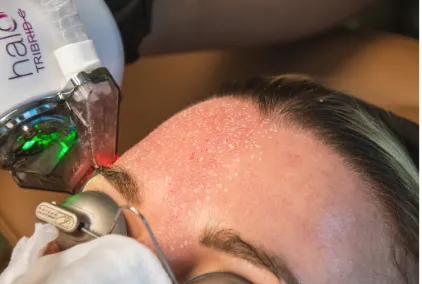
With fractional treatments, density is intensity. How much of the skin you treat changes the recovery, not just the result. Downtime should be a decision you make on purpose, not a surprise on day five.
Then measure, so you can prove it. We’ve gotten remarkably good at treating skin. We have not gotten nearly as good at measuring it. I call that the measurement gap.
Photos change with lighting, angle and expression, and patients adapt to their own reflection. Three months later, they may not remember where they started.
Photography documents how the skin looks. Measurement assigns a value to a specific property, like hydration, elasticity, pigment or redness. Clinical judgment interprets both. You need all three.
The framework:
- Measure a baseline before the plan begins.
- Interpret it with your assessment and the patient’s goals.
- Plan from that.
- Re-measure at the right time. Re-measure two weeks after resurfacing and you’re measuring healing, not results.
- Communicate what changed, what’s left and what’s next.
My challenge: pick one thing you’ll measure the same way every time, at baseline and follow-up. Standardized photos with the same lighting and angle, or a measurement tool. A measurement taken once is interesting. A measurement repeated through a process is clinically useful.
Disclosure: my company, Kairos Technology Partners, is the U.S. distributor for DermaLab Aesthetic and the Colorimeter, the measurement tools we use in our practice.
Thank you
The clinicians who stand out aren’t the ones with the most devices. They’re the ones who understand their energy, prepare their patients, and can show the result.
To everyone who spent a Saturday with us this year, in Denver and every city before it: thank you. Your questions make our teaching better.
Want to hear the full conversation? Listen to this week’s episode of [Kairos Conversations: Inside the Aesthetic Practice]. And if you want to go deeper, our 2027 Kairos Aesthetic Training dates are coming soon.
— Taylor Siemens, NP-C, Founder, Kairos Aesthetic Training
Related Blogs
Continue exploring insights from the Kairos team, covering clinical education, practice operations, and business strategy for the modern aesthetic provider.