Improvement Over Resolution: How to Set Laser Expectations in a Consult
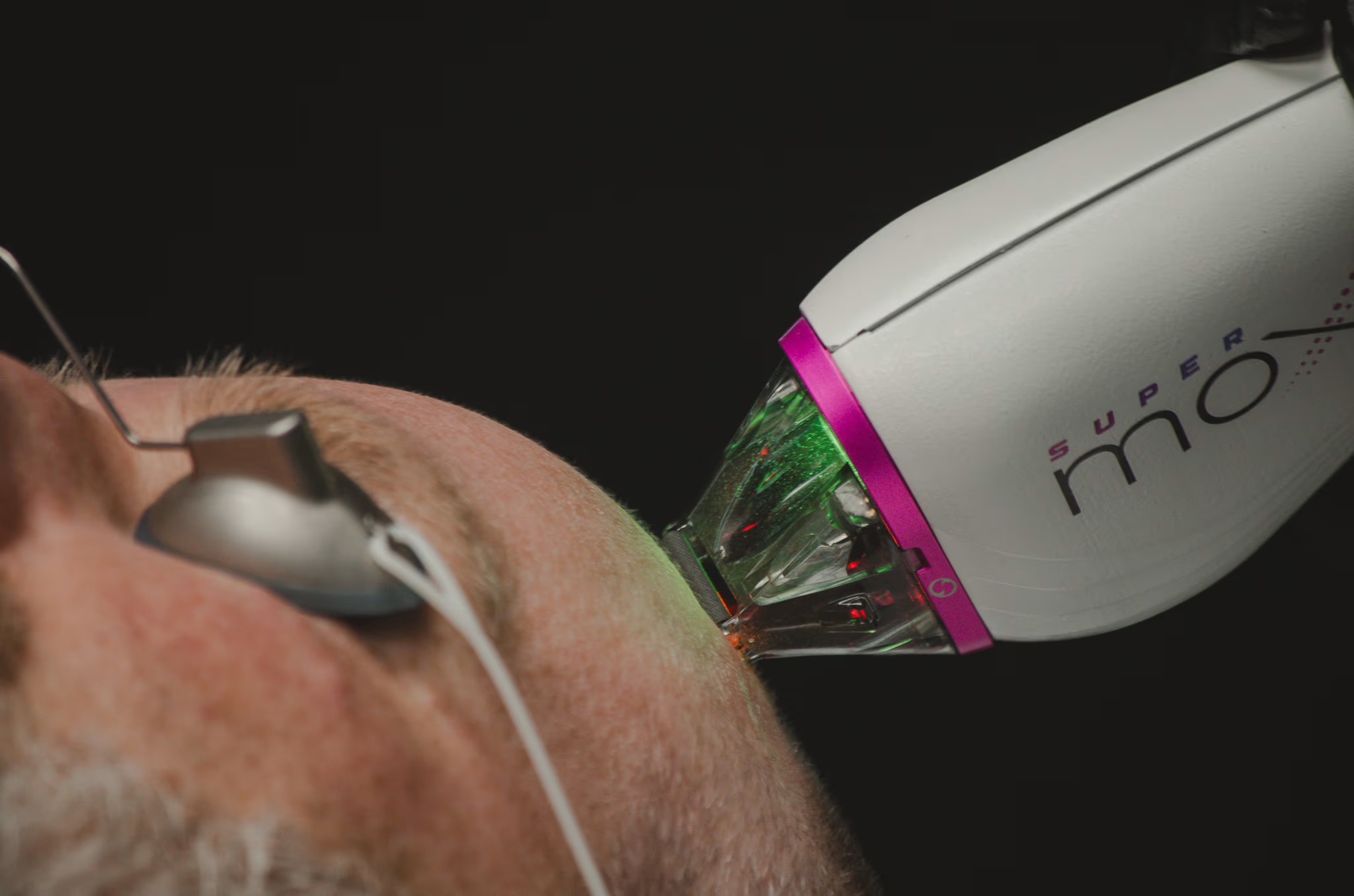
Most laser complaints don't start in the treatment room. They start in the consult, when expectations weren't set. If a patient walks out expecting resolution and you planned for improvement, you'll hear about it on day three, no matter how well the treatment went.
Here's the consult structure we teach at Kairos Aesthetic Training, and the language that makes it stick.
1. Start with the goal and the area, not the device
Ask what the patient wants to change and where. Then compare options. Most texture concern scan be approached with a gentler option or a deeper, customizable one. Lay out both honestly: what each can do, and what each costs in recovery.
2. Name the trade-off: improvement over resolution
At Kairos, we frame the expectation in three words: improvement over resolution. Full resolution usually means a far more aggressive treatment and substantially more downtime. Say that out loud, early. Patients who choose improvement knowing the trade-off are patients who come back.
The same honesty applies when a patient wants to treat several areas at once. More treated skin means more healing at the same time. Let them choose with the recovery cost in front of them.
3. Explain the mechanism in one breath
Controlled micro-injuries lead the skin to rebuild collagen over time. That one sentence explains why results develop over months, and why early healing isn't the result.
4. Give patients language they'll remember
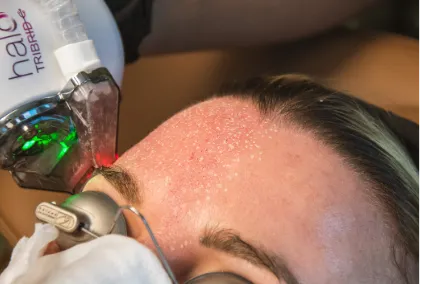
For example, welike to describe the Microscopic Epidermal Debris (MENDs) as"peppers," as if someone sprinkled pepper over the treated area. Patients remember an image like that. When the spots show up, they recognize them as expected instead of calling your office worried. Find your own memorable phrases for the moments that worry patients most.
5. Separate early healing from the final result
Tell patients what they'll see in the first days (redness, peppers) and when they can actually judge the result. If you skip this, they'll judge it in the mirror on day three.
6. Cover risks before results, with the plan
Every medical treatment carries risk. Name the relevant ones, such as temporary darkening of the skin, and pair each with the precautions you take and what you'll do if it happens. That pairing is what builds trust. A risk without a plan sounds like a warning. A risk with a plan sounds like a clinician who's done this before.
7. Make prep and aftercare non-negotiable
• No tanning before treatment.
• Product adjustments beforetreatment, as you direct.
• Sun and heat protection whileskin heals.
• No picking.
Pre-treatment assessment matters as much as aftercare. The Siemens SAFE Process (Skin Assessment for Fluence & Energy) is a free laser skin-typing resource for clinicians who want a structured approach to choosing settings.
8. Finish with comfort and logistics
Close with what the appointment will feel like: numbing, cooling, protective eyewear, and timing. Ending on the practical details lowers anxiety and makes booking the natural next step.
The takeaway
Patients forget most of what you say in a consult. They remember whether you were honest. Lead with improvement over resolution, explain recovery in words they'll recall, and cover risks before results. Your reviews, and your retention, will reflect it.
Get the free Siemens SAFE Process resources, and join us for a training that fits your needs!
Related Blogs
Continue exploring insights from the Kairos team, covering clinical education, practice operations, and business strategy for the modern aesthetic provider.